Science-Backed & Non-Toxic Healing
A New Way of Thinking About Disease
For decades, the conventional approach to treating serious illnesses like cancer has centered on three pillars: surgery, radiation, and chemotherapy. While these can be effective, they often come with significant side effects because they target all rapidly dividing cells—both healthy and diseased.
But what if there was another way? What if instead of poisoning a tumor, we could starve it by changing the body’s internal environment? This is the revolutionary concept behind Metabolic Therapy.
Pioneered by researchers like Dr. Thomas Seyfried of Boston College, this approach doesn’t treat the symptom (the tumor), but rather addresses the root cause: a dysfunctional cellular metabolism. It’s a non-toxic, empowering strategy that puts you in the driver’s seat of your healing.
The Core Idea: Simple But Profound
Think of your body’s cells as tiny engines. Healthy cells are flexible—they can run efficiently on different fuels: glucose (sugar), fats, or ketones.
Damaged or cancerous cells, however, have broken engines (impaired mitochondria). They’ve largely lost this flexibility. They become addicted to glucose and can’t efficiently use fat or ketones for energy. They also thrive in an inflammatory, oxygen-poor environment.
Metabolic Therapy exploits this weakness through two main strategies:
- Starve the Bad Cells: Dramatically reduce their primary fuel (glucose/sugar) in the bloodstream.
- Change the Terrain: Create an internal environment (with ketones, lower inflammation, more oxygen) that is hostile to disease but nourishing to healthy cells.
The Key Players
1. The Mitochondria: The Cellular Power Plant
- Healthy Cell: Has many, efficient mitochondria. Can switch fuels easily.
- Diseased Cell: Has damaged, dysfunctional mitochondria. Stuck in “sugar-burning” mode.
2. Glucose vs. Ketones: Two Different Fuels
- Glucose (Sugar): The primary fuel for most modern diets. Feeds inflammation and is the preferred fuel for many unhealthy cells.
- Ketones: An alternative, clean-burning fuel made by the liver from fat. Healthy cells thrive on them; many diseased cells cannot use them effectively.
3. The Warburg Effect: The Cancer Clue (1924)
This is the foundational observation. Nobel laureate Otto Warburg discovered that cancer cells, even in the presence of plenty of oxygen, ferment glucose (like yeast) to make energy. This is incredibly inefficient and produces lactic acid. It’s a hallmark of damaged metabolism. Dr. Seyfried’s work builds directly on this century-old discovery.
The Metabolic Therapy Protocol: The “How-To”
Based on Dr. Seyfried’s research, a comprehensive metabolic approach involves several synergistic pillars. Think of it as a multi-layered strategy to restore your body’s natural balance.
Pillar 1: The Ketogenic Diet (The Fuel Switch)
- Goal: Lower blood glucose and raise blood ketones.
- What it is: A very low-carbohydrate, moderate-protein, high-healthy-fat diet.
- How it works:
- You stop eating almost all sugars and starches (bread, pasta, rice, fruit).
- Your body runs out of its stored glucose in about 24-48 hours.
- Your liver begins converting stored and dietary fat into ketones.
- Result: Blood glucose plummets (starving sugar-dependent cells), while ketones soar (providing clean energy for healthy tissues like your heart and brain).
Pillar 2: Stress Management & Oxygenation
- The Problem: Stress (emotional, physical) raises blood sugar (cortisol) and creates inflammation. Many unhealthy states thrive in low-oxygen (hypoxic) environments.
- The Solutions:
- Gentle Movement: Walking, yoga, light stretching—improves circulation and oxygen delivery.
- Breathing Exercises: Deep, diaphragmatic breathing reduces stress and oxygenates tissues.
- Meditation/Prayer: Lowers stress hormones (cortisol, adrenaline).
- Hyperbaric Oxygen Therapy (HBOT): Breathing pure oxygen in a pressurized chamber (a more advanced tool studied in protocols) to force oxygen into tissues and make the environment less hospitable for certain diseases.
This is not random supplementation, but strategic support based on metabolic science.
- Examples:
- Dichloroacetate (DCA): A compound that helps “fix” mitochondrial function, pushing cells away from fermentation. (Note: Requires medical supervision).
- Natural Anti-Inflammatories: Curcumin (from turmeric), omega-3 fatty acids (fish oil) to cool the inflammatory “terrain.”
- Electrolytes: Sodium, potassium, magnesium (critical when on a ketogenic diet to avoid the “keto flu”).
Pillar 4: Intermittent & Prolonged Fasting
- Goal: Deepen metabolic stress on unhealthy cells and promote cellular cleanup (autophagy).
- How it works: When you fast, insulin and glucose drop even further than on a keto diet alone. This intensifies the metabolic challenge. Your body also initiates autophagy—a “spring cleaning” process where it breaks down and recycles damaged cellular components. This can help eliminate malfunctioning cells.
The Evidence: What Does the Research Say?
Dr. Seyfried’s work is not just theoretical. It’s backed by growing laboratory and clinical evidence:
- Animal Studies: Multiple studies show that a ketogenic diet alone can slow tumor growth and, when combined with other therapies (like hyperbaric oxygen), can significantly improve survival in mice with aggressive cancers.
- Human Case Reports & Trials: A growing number of published case studies show remarkable outcomes in patients (often with advanced disease) who adopt metabolic therapy alongside standard care or after exhausting conventional options.
- Mechanistic Plausibility: The science is solid. We know most unhealthy cells rely on fermentation. We know how to lower blood glucose. The biochemical pathway is clear and testable.
Dr. Thomas Seyfried’s Metabolic Therapy Framework
Including the Press–Pulse Strategy
“Cancer is a disease of dysregulated energy metabolism.”
— Dr. Thomas N. Seyfried
Dr. Thomas Seyfried is a professor of biology, genetics, and biochemistry whose research proposes that cancer originates primarily from mitochondrial dysfunction, leading to altered cellular energy production.
Rather than focusing solely on genetic mutations, his work explores how cellular metabolism, fuel availability, and energy stress influence cancer behavior.
This page provides an educational overview of Dr. Seyfried’s metabolic framework, including the concept known as the Press–Pulse Protocol.
The Core Concept: Cancer as a Metabolic Disease
According to Dr. Seyfried’s research:
- Healthy cells rely on mitochondria for efficient energy production
- Many cancer cells have damaged or dysfunctional mitochondria
- As a result, cancer cells depend heavily on fermentation of glucose and glutamine for survival
This metabolic dependency represents a vulnerability.
Instead of asking “How do we destroy cancer cells?”, the metabolic approach asks:
“How do we change the energy environment so cancer cells struggle to survive?”
Why Metabolism Matters
Metabolism determines how cells generate energy.
Key distinctions highlighted in this framework include:
- Healthy cells are metabolically flexible
- They can adapt to fats and ketones as fuel
- Cancer cells are metabolically inflexible
- They rely largely on glucose-driven fermentation
This difference forms the biological foundation of metabolic therapy.
The Press–Pulse Protocol: A Strategic Metabolic Concept
One of the most well-known ideas associated with Dr. Seyfried’s work is the Press–Pulse Protocol.
It is not a single treatment, but a strategy for applying metabolic pressure in a controlled way.
What “Press–Pulse” Means (In Simple Terms)
- Press refers to continuous, long-term metabolic pressure
- Pulse refers to short-term, targeted metabolic stressors
Together, they aim to exploit cancer cells’ metabolic weaknesses while supporting healthy cells.
The “Press”: Creating a Stable Metabolic Environment
The press is the foundation.
It focuses on maintaining a metabolic state that is consistently less favorable for cancer cells and more supportive of healthy cells.
Conceptually, this includes:
- Reducing chronic glucose availability
- Supporting metabolic flexibility
- Avoiding constant insulin spikes
- Creating metabolic stability over time
The press is about consistency, not intensity.
The “Pulse”: Strategic, Temporary Stress
The pulse refers to short, intermittent interventions that further challenge cancer cells metabolically.
Key ideas behind the pulse include:
- Cancer cells are already under energy stress
- Short-term metabolic challenges may overwhelm their limited adaptability
- Healthy cells are better equipped to recover
Importantly, pulses are discussed as context-dependent and carefully timed, not continuous.
Why the Combination Matters
Dr. Seyfried emphasizes that:
- Press without pulse may be too gentle
- Pulse without press may be unsustainable
- Together, they create a therapeutic window
This strategy is designed to:
- Avoid constant extreme stress
- Reduce harm to healthy tissue
- Respect the body’s adaptive capacity
Dr. William Makis’ Metabolic & Integrative Cancer Framework
An Overview for Understanding — Not Instruction
“The body has an innate intelligence. Our role is often to remove obstacles and support its healing capacity.”
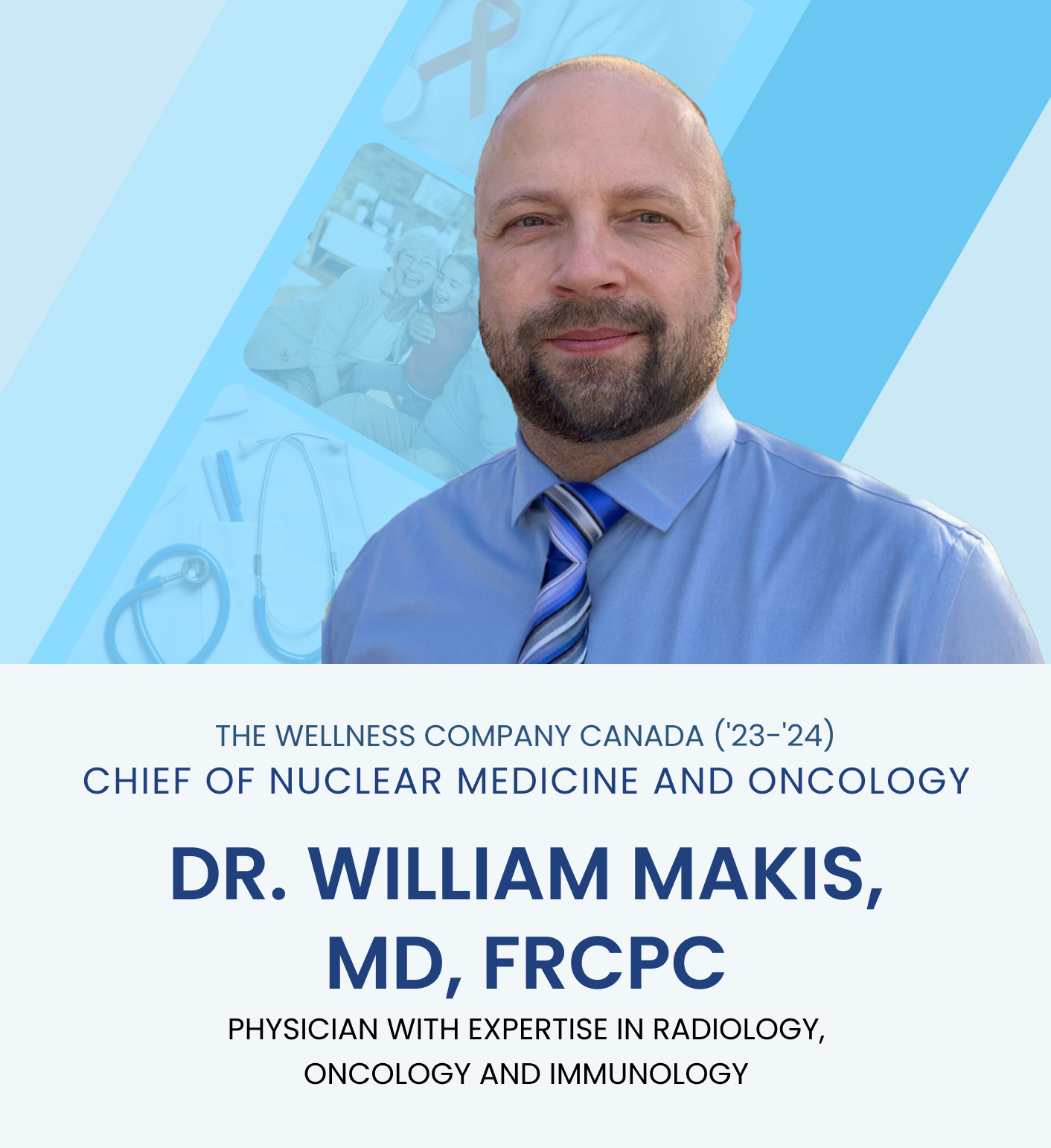
Dr. William Makis is a nuclear medicine physician who has spoken publicly about metabolic, immune-focused, and integrative perspectives on cancer. His approach has drawn attention from patients seeking a broader understanding of cancer beyond tumor-only thinking.
This page offers an overview of the principles often discussed in Dr. Makis’ metabolic framework, shared for educational purposes and personal reflection.
A Different Lens: Cancer as a Systemic Condition
Rather than viewing cancer as a localized disease alone, Dr. Makis emphasizes that cancer often reflects system-wide imbalances, including:
- Metabolic dysfunction
- Immune suppression or dysregulation
- Chronic inflammation
- Toxic or environmental stressors
From this perspective, addressing cancer involves supporting the terrain of the body, not just targeting cells.
Core Pillars of the Makis Metabolic Framework
While individual approaches vary, discussions around Dr. Makis’ work often center on several interconnected pillars.
1. Metabolic Environment
Cancer cells behave differently depending on their energy environment.
This framework emphasizes:
- Reducing excessive glucose availability
- Supporting metabolic flexibility
- Creating conditions that favor healthy cell function
Nutrition and lifestyle are viewed as tools to influence metabolism, not as isolated cures.
2. Immune System Support
A recurring theme in Dr. Makis’ discussions is the importance of immune surveillance.
The immune system is seen as:
- A key defense against abnormal cell growth
- Highly sensitive to stress, sleep, nutrition, and inflammation
Supporting immunity is considered a foundational element of healing.
3. Repurposed & Adjunctive Compounds (Conceptual)
Dr. Makis has spoken about repurposed compounds being explored in metabolic and integrative contexts. These discussions are typically framed as:
- Areas of ongoing research and interest
- Adjunctive concepts rather than standalone solutions
- Context-dependent and individualized
Importantly, these are presented within a broader metabolic and immune-supporting strategy, not in isolation.
4. Inflammation & Terrain Management
Chronic inflammation is viewed as a driver of disease progression.
This framework often emphasizes:
- Reducing inflammatory burden
- Supporting gut and liver health
- Addressing long-term stress responses
The goal is to shift the internal environment toward balance and resilience.
5. Lifestyle as Medicine
Dr. Makis’ perspective aligns with the idea that daily inputs shape biology over time.
Lifestyle factors commonly discussed include:
- Sleep quality and circadian rhythm
- Stress regulation and emotional health
- Sunlight, movement, and environmental awareness
These elements are seen as quiet but powerful influences on healing capacity.
How Patients Describe Applying This Framework
People who resonate with Dr. Makis’ metabolic approach often describe changes such as:
- Feeling more engaged in their healing process
- Making decisions with less fear and more understanding
- Shifting focus from urgency to consistency
- Viewing healing as cumulative rather than instant
Outcomes vary, but many describe a greater sense of agency and clarity.
Relationship to Metabolic Cancer Research
Dr. Makis’ work is often discussed alongside broader metabolic cancer research, including concepts explored by researchers such as Dr. Thomas Seyfried.
Shared themes include:
- Cancer metabolism
- Mitochondrial dysfunction
- Systemic support over isolated intervention
These overlapping ideas have helped form a growing conversation around integrative oncology.
Why This Perspective Resonates With Many
For some patients, discovering Dr. Makis’ framework marked a turning point—not because it promised certainty, but because it offered understanding.
It helped shift the question from:
“What is being done to me?”
to
“How can I support my body as a whole?”
That reframing alone has been meaningful for many walking complex cancer journeys.
A Gentle Note to the Reader
If you’re exploring metabolic or integrative ideas, move slowly, stay curious, and honor your own intuition.
Healing is not one protocol.
It is a conversation between knowledge, body, and time.
My Personal Experience with Metabolic Therapy
“When I first read Dr. Seyfried’s book, Cancer as a Metabolic Disease, it was a lightning bolt moment. For the first time, the biology of my illness made sense. It wasn’t just random ‘bad luck’—it was a metabolic problem with a metabolic solution.
I worked with my doctor to implement a strict therapeutic ketogenic diet. Using a blood ketone meter, I tracked my glucose-ketone index (GKI)—aiming for a target zone shown in research to be therapeutic. It wasn’t always easy, but the effects were tangible: my inflammation markers dropped, my energy stabilized, and my mental clarity soared. I combined this with daily meditation (to manage stress cortisol) and gentle walks in nature (for oxygenation).
For me, metabolic therapy was the foundation. It was the non-toxic ‘base camp’ from which all other healing strategies launched.”
- DO NOT GO IT ALONE. This protocol should be done under the supervision of a qualified healthcare provider who understands metabolic medicine.
- It is a Therapy, Not a Cure-All. It is a tool, often best used in an integrative approach.
- Monitoring is Essential. Regular blood work (glucose, ketones, electrolytes, other markers) is crucial for safety and efficacy.
- Contraindications Exist. It may not be suitable for people with certain conditions (e.g., advanced kidney disease, certain metabolic disorders).
Conclusion: Empowerment Through Knowledge
Metabolic Therapy, as outlined by Thomas Seyfried and other researchers, represents a paradigm shift—from a war on disease to a restoration of health. It moves us from a solely gene-focused model to a metabolism-focused model.
It empowers you with the knowledge that your daily choices—what you eat, how you manage stress, how you move—directly influence the biochemical environment within your body. You are not a passive patient; you are an active participant in creating a terrain of health.
This science-backed, non-toxic approach doesn’t promise a miracle. It offers a rational, physiological strategy to support your body’s innate healing intelligence by addressing the fundamental roots of dysfunction.
Want to Learn More? Start Here:
- Book: Cancer as a Metabolic Disease by Thomas N. Seyfried, PhD.
- Organization: The Metabolic Terrain Institute of Health.
- Documentary: The Science of Fasting (2016) touches on related concepts.
- Consult: Find an integrative or metabolic medicine physician.
Next, explore how I personally applied these principles in my Healing Plan and how ancient Interfaith Wisdom echoes this modern science through fasting and dietary discipline.

