My Experience With a Topical Protocol + Dr. William Makis’s Approach to Repurposed Drugs
Disclaimer: This post is not medical advice. It describes my personal experience alongside discussions from public protocols and research. Always consult a qualified healthcare professional before making health decisions.
Why I Started Exploring a Topical Protocol
Context: Why I Used This Topical Application
As part of my broader protocol under Dr. William Makis, I was advised to include a topical application using DMSO and castor oil combined with ivermectin and fenbendazole cream, applied locally to the area of concern.
This topical approach was discussed as a supportive, localized measure within a larger protocol, not as a standalone treatment. I am sharing my experience solely to document what I personally observed.
Dr. Makis is a physician known in alternative health circles for protocols that combine repurposed drugs such as ivermectin and fenbendazole for cancer and chronic conditions.
My Topical Routine: What and How
Here’s what I personally did — only on the lump itself, with no systemic dosing based on this blog.
Components I Used (Personal Notes)
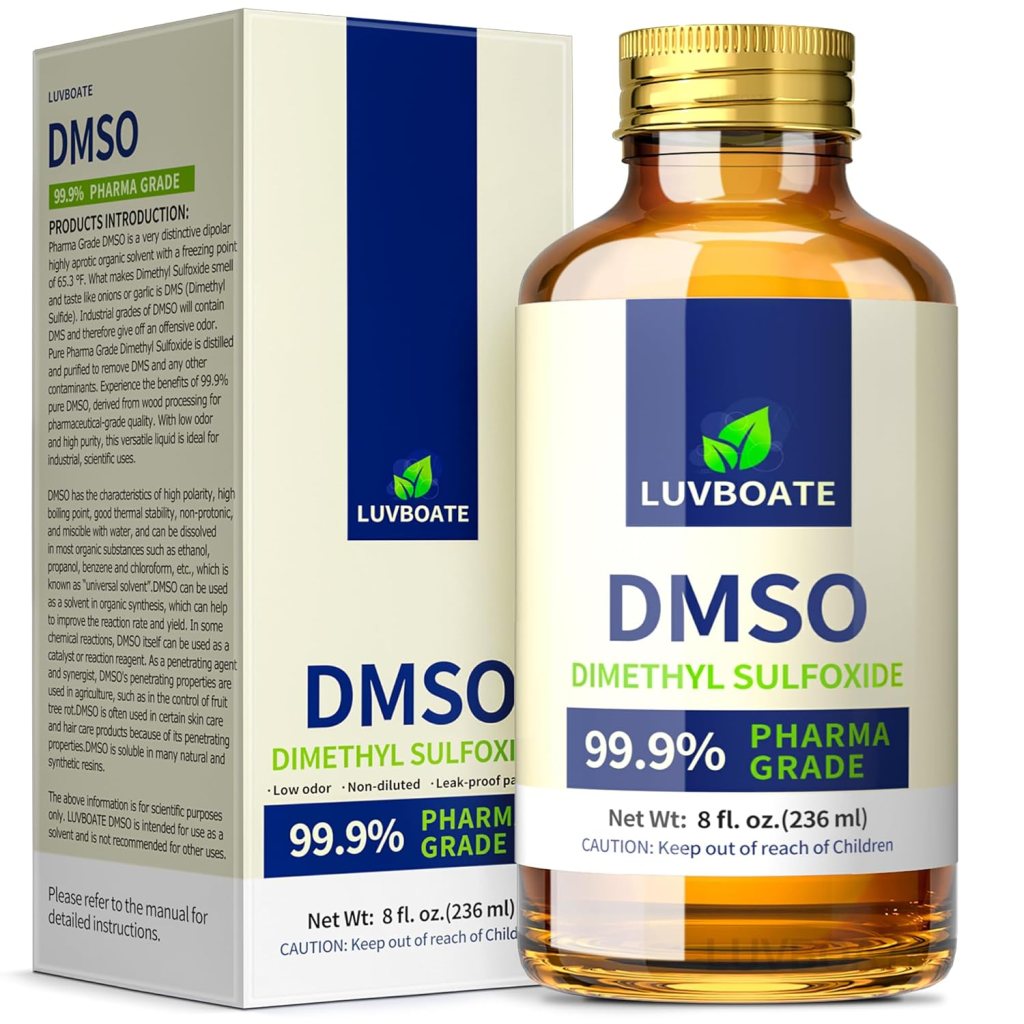
- DMSO (Dimethyl Sulfoxide)
- Castor Oil
- Ivermectin paste (made from human-grade product)
- Fenbendazole paste (repurposed from veterinary formulation)
My Procedure
- Mix the vehicle: 50/50 DMSO and castor oil.
- Mix the actives: 50/50 ivermectin and fenbendazole paste.
- Application: Apply the combined mixtures to the lump twice daily.
- Observation: Over weeks, I noticed what felt like faster reduction in size.
This is my subjective observation, and many factors can influence changes in tissue over time.
Dr. William Makis’s Protocol Concepts
Dr. William Makis’s protocols — shared publicly on sites like the Ivermectin Cancer Clinic — involve repurposed antiparasitic drugs such as ivermectin and fenbendazole, often combined with metabolic and detox elements.
He discusses multi-week, multi-agent regimens tailored per patient, including:
- Ivermectin (broad antiparasitic drug)
- Fenbendazole (another benzimidazole)
- Other metabolic or immune-supportive compounds in systemic protocols
- Dosing cycles over months rather than days
While Dr. Makis’s site and materials list these as components of “evidence-based protocols,” it’s important to note that official medical guidelines do not endorse ivermectin or fenbendazole as FDA-approved cancer treatments, and rigorous clinical evidence in humans is limited.
Dr. Makis himself emphasizes consultation and personalization before starting such protocols.
Scientific Context: Research on Key Ingredients
Below are some relevant scientific articles that readers often search for — with links and clear context on where evidence stands:
Ivermectin and Anticancer Research
- Ivermectin has shown antitumor effects in preclinical studies, such as inhibiting cancer cell proliferation and angiogenesis in various cancer cell lines.
This research is laboratory-based and not proof of clinical effectiveness in people.
Fenbendazole and Antitumor Activity
- A 2025 preclinical study found fenbendazole could inhibit tumor growth in breast cancer models, inducing pyroptosis (inflammatory cell death) in cancer cells.
- Another study demonstrated fenbendazole’s antitumor activity against cervical cancer cells and cancer stem cells in mice-based models.
These models are early-stage and do not establish clinical benefit in humans. Fenbendazole is not FDA-approved for cancer.
What We Know About DMSO
- DMSO is a well-characterized pharmaceutical solvent and transdermal penetration enhancer. It has been used as a cryoprotectant and to improve delivery of certain drugs in research, but it does not have robust evidence as a standalone cancer therapeutic.
- A study on skin permeation showed DMSO can significantly increase topical drug flux in lab settings — that’s why it appears in discussions about transdermal delivery.
DMSO’s ability to carry compounds through the skin may increase penetration, but that alone doesn’t validate therapeutic impact.
Important Caution on Repurposed Drugs
- A critical review by Science Feedback notes that there isn’t robust evidence that ivermectin, mebendazole, or fenbendazole as repurposed drugs have proven anticancer effects in humans, despite preclinical interest.
Putting It All Together: My Perspective
I’m sharing this for transparency and documentation. What I personally observed — a faster-appearing shrinkage of a lump — does not prove cause and effect, nor does it imply anyone else’s results will be the same.
Here’s what I want readers to take away:
- There is lab research that fuels interest in antiparasitic drugs as anticancer agents (e.g., ivermectin, fenbendazole), but clinical evidence in humans is extremely limited.
- DMSO is a penetration enhancer used in research contexts, but it is not a proven cancer therapy and carries risks if used improperly.
- What works in cells or animals doesn’t always work — or is safe — in humans.
Final Thoughts
If you’re researching integrative health topics, looking at both scientific literature and expert medical guidance side by side is essential. My experience is deeply personal and not intended to replace professional input.
🔗 Research links for deeper reading:
- Ivermectin anticancer mechanisms (PMC): https://www.ncbi.nlm.nih.gov/pmc/articles/PMC7505114/
- DMSO in biomedical applications (PMC): https://www.ncbi.nlm.nih.gov/pmc/articles/PMC9801450/
- Fenbendazole tumor research (Frontiers in Pharmacology): https://www.frontiersin.org/articles/10.3389/fphar.2025.1596694/full
- Fenbendazole antitumor in vivo (MDPI): https://www.mdpi.com/1420-3049/30/11/2377


 The Lord's Recipes
Leave a comment